

Headless Shopify Migration & Readiness Guide
Migrating to headless Shopify is not a simple rebuild—it is a structural shift in how commerce systems are designed, managed, and scaled. Without proper readiness and planning, migrations can introduce performance issues, SEO risks, and operational disruption. This page explains how businesses should evaluate readiness for headless Shopify migration, what stages the migration typically involves, and how to reduce risk while transitioning to a more flexible architecture.
Why Migration Readiness Matters Before Going Headless
Many teams approach headless migration as a technical execution task. In reality, most migration failures occur due to poor readiness assessment rather than poor development.
Migration readiness determines:
- Architectural feasibility
- Operational impact
- SEO and performance risk
- Long-term maintainability
Without readiness clarity, even well-built headless storefronts struggle post-launch.
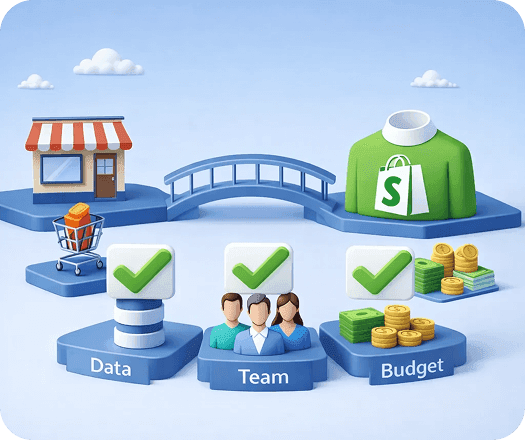

Evaluate Your Migration Readiness
Use our structured framework to assess performance risks, SEO impact, integration complexity, and operational readiness before committing to migration.
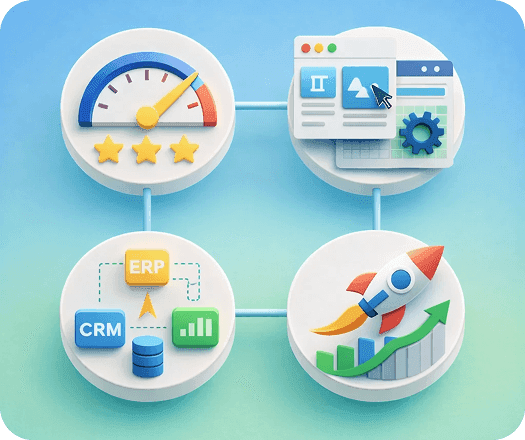
Key Readiness Factors to Evaluate
Before migrating to headless Shopify, teams should evaluate:
- Current storefront performance limitations
- Content workflows and CMS dependencies
- Integration complexity (ERP, CRM, analytics)
- Internal technical capability and ownership
- Growth roadmap and scalability requirements
Readiness is about alignment—not just ambition.
Typical Headless Shopify Migration Phases
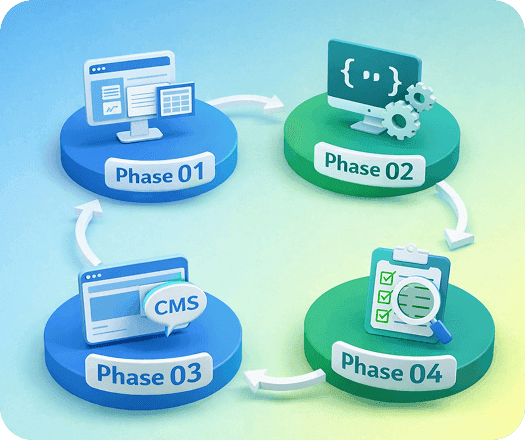
A successful headless Shopify migration follows a structured, phased approach rather than a single “big switch.
Common migration phases include:
- Architecture and stack planning
- Frontend and CMS setup
- API and integration configuration
- Data validation and testing
- Controlled rollout and monitoring
Each phase reduces risk and preserves business continuity.
The first migration phase involves defining architecture and stack decisions. See our Headless Shopify Architecture Guide and Shopify Headless Stack Guide
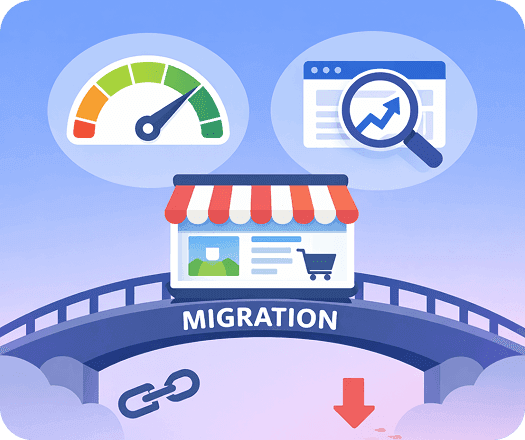
SEO & Performance Considerations During Migration
Migration impacts SEO and performance if not carefully managed. Key considerations include:
- Preserving URL structures and redirects
- Maintaining page speed and Core Web Vitals
- Ensuring proper indexing and metadata
- Validating performance before full rollout
SEO stability must be planned—not assumed.
Maintaining performance and SEO during migration requires careful planning. Learn more in our Headless Shopify Performance & SEO Guide
Common Migration Mistakes to Avoid
Some frequent migration mistakes teams make:
- Migrating without a readiness framework
- Underestimating data and integration dependencies
- Rushing launch timelines
- Ignoring post-launch monitoring and governance
- Treating migration as a one-time effort
Avoiding these mistakes significantly improves migration success rates.
When Migration to Headless Shopify Makes Sense
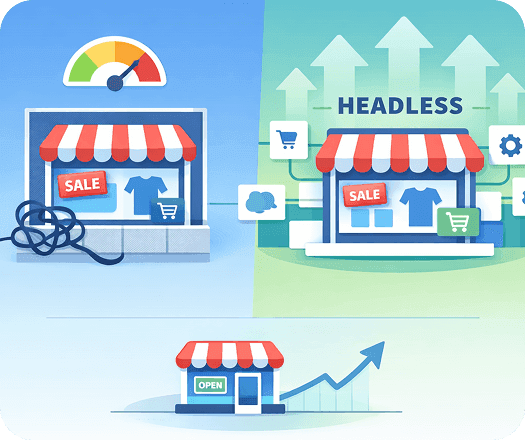
Headless Shopify migration is most effective when existing architectural limitations block performance, UX flexibility, or integration scalability. For mature businesses, migration unlocks long-term growth potential.
For simpler stores, delaying migration may be the more strategic decision.
How Migration Fits Into the Bigger Headless Strategy
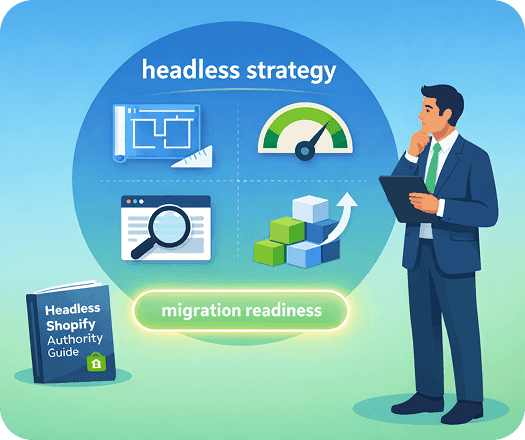
Migration is only one component of a complete headless Shopify strategy. Architecture design, performance optimization, SEO planning, and long-term scalability must all align.
This page focuses on migration readiness. A broader strategic view is covered in our complete Headless Shopify authority guide.
Migration decisions should align with strategic readiness. Our When to Go Headless with Shopify Guide explains when the transition is justified.
Access the Complete Headless Shopify Strategy Guide
Understand how migration, architecture, performance, and scalability align in real-world headless Shopify implementations.
Return to the Authority Guide