
Headless Shopify Architecture: Tech Stack, APIs & Best Practices
Headless Shopify architecture is not just about separating frontend and backend—it is about designing a commerce system that can scale, integrate, and evolve without friction. For growing brands, architecture decisions made early directly impact performance, flexibility, and long-term operational cost. This page explains how headless Shopify architecture works at a practical level, the components involved, and the best practices brands should follow when designing a modern, API-driven eCommerce stack.
What Makes Headless Shopify Architectural (Not Just Frontend)
Many teams assume headless Shopify is simply a custom frontend on top of Shopify. In reality, architecture decisions go far beyond UI frameworks.
Headless Shopify introduces:
- Decoupled system layers
- API-first communication
- Independent scalability of frontend and backend
- Clear separation of commerce, content, and experience
When these layers are thoughtfully designed, teams gain speed without sacrificing stability.

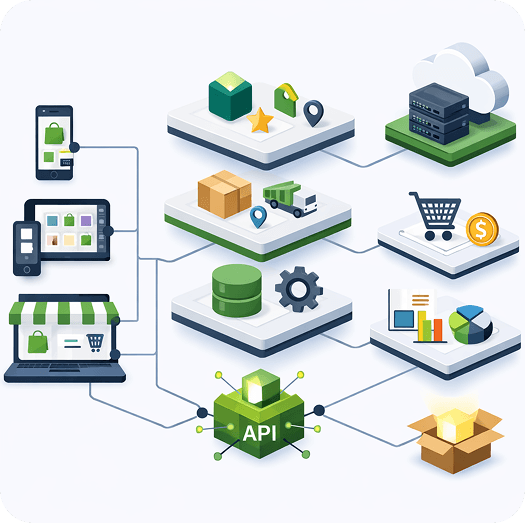
Core Components of a Headless Shopify Stack
A modern headless Shopify architecture typically includes:
- Commerce Backend — Shopify manages products, pricing, checkout, payments and orders.
- Frontend Layer — A custom storefront built for performance and UX flexibility.
- API Layer — Storefront APIs and custom APIs connect systems cleanly.
- Content Layer (CMS) — A headless CMS manages pages, campaigns, and content workflows.
- Integration Layer — ERP, CRM, analytics, marketing tools, and automation platforms.
Each layer operates independently but communicates through well-defined interfaces.
Why APIs Are the Backbone of Headless Shopify
APIs are what make headless Shopify scalable Instead of rigid templates and tightly coupled logic, APIs allow systems to exchange data dynamically—enabling personalization, omnichannel experiences, and advanced integrations.
Key advantages of API-driven architecture:
- Faster frontend development cycles
- Easier third-party integrations
- Improved system resilience
- Better long-term maintainability
Strong API governance is essential to prevent complexity from growing uncontrolled.


Explore the Complete Headless Shopify Strategy Guide
See how architecture, performance, SEO, and scalability come together in real-world headless implementations.
RETURN TO STRATEGY GUIDE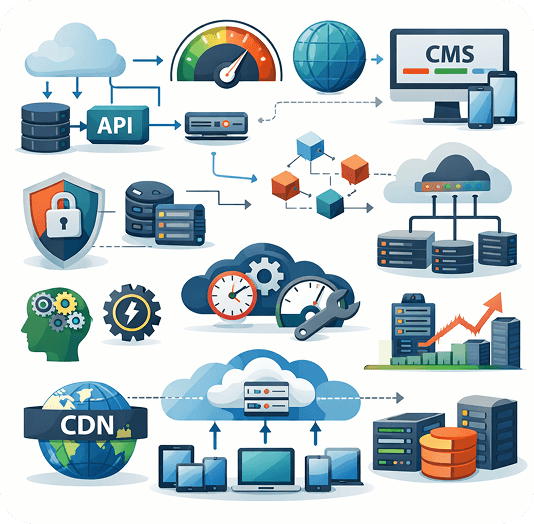
Performance Considerations in Headless Architecture
Performance is one of the primary reasons brands move to headless Shopify —but results depend on architectural execution.
Well-designed headless setups enable:
- Faster page loads and better Core Web Vitals
- Reduced frontend rendering bottlenecks
- Optimized asset delivery
- Improved SEO crawlability
However, poor architectural choices can negate these benefits. Performance must be considered at every layer—not just the frontend.
Architectural decisions directly influence storefront speed and SEO performance. See our Headless Shopify Performance & SEO Guide
Common Architecture Mistakes to Avoid
Some frequent mistakes teams make:
- Treating headless as a frontend-only upgrade
- Overengineering before validating business needs
- Ignoring CMS and content workflows
- Poor API documentation and versioning
- No long-term maintenance strategy
Avoiding these pitfalls is often more important than choosing the 'latest' tools.

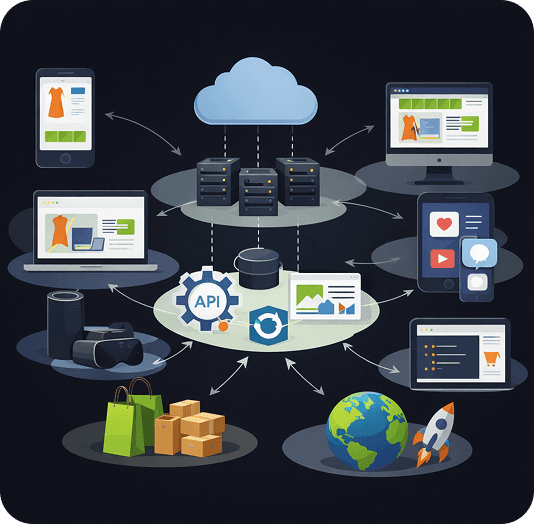
When Headless Shopify Architecture Makes Sense
Headless Shopify architecture is most effective when businesses require flexibility, scale, and integration depth. It is especially relevant for brands operating across regions, channels, and complex technology stacks.
For simpler stores, traditional Shopify may still be the more efficient choice. Architecture decisions should be driven by business maturity, not trends.
Not every business benefits from this architecture. Our When to Go Headless with Shopify Guide explains when the transition makes sense.
How This Architecture Fits Into the Bigger Picture
Architecture is only one part of a successful headless Shopify implementation. Performance optimization, SEO strategy, migration planning, and long-term scalability must all align.
This page focuses specifically on architectural foundations. A broader strategic view is covered in our complete Headless Shopify authority guide.