

How Headless Shopify Boosts Speed, Conversions & SEO
Speed, conversions, and SEO are often treated as separate optimization efforts. In reality, they are deeply interconnected outcomes of architectural decisions. Headless Shopify changes how storefronts are rendered, how data is delivered, and how user experiences are controlled—directly influencing all three. This page explains how headless Shopify impacts performance, conversion rates, and SEO at a structural level, and why these gains depend on execution quality rather than assumptions.
Why Performance Is an Architectural Outcome (Not a Frontend Tweak)
Many teams assume that switching to headless Shopify automatically guarantees faster sites and better SEO. In practice, performance is not a frontend shortcut —it is the result of how systems communicate, render, and scale.
Headless Shopify enables performance improvements by introducing:
- Decoupled rendering logic
- Optimized data-fetching patterns
- Better control over caching and hydration
- Independent scaling of frontend and backend
When architecture is designed intentionally, performance becomes predictable and sustainable.
These performance gains originate from architectural design decisions. Explore our Headless Shopify Architecture Guide


Validate Your Performance Architecture
Use our structured checklist to assess rendering strategy, data-fetching patterns, Core Web Vitals readiness, and frontend discipline before scaling traffic.

Speed Improvements with Headless Shopify
Well-implemented headless Shopify setups enable:
- Faster initial page loads
- Reduced server-side rendering bottlenecks
- Optimized asset delivery and code splitting
- Better mobile performance under high traffic
These improvements are especially important for high-traffic stores and competitive markets where milliseconds impact revenue.
Impact on Core Web Vitals & Technical SEO
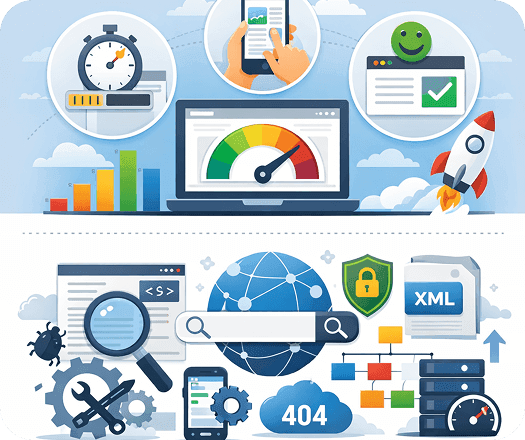
Headless Shopify gives teams greater control over how pages are rendered and delivered, which directly affects Core Web Vitals and technical SEO performance
Key SEO-related advantages include:
- Improved Largest Contentful Paint (LCP)
- Better interaction responsiveness
- Reduced layout shifts
- Cleaner control over metadata and schema
However, SEO gains depend on disciplined frontend and rendering strategies—not default configurations.
Conversion Rate Optimization Benefits
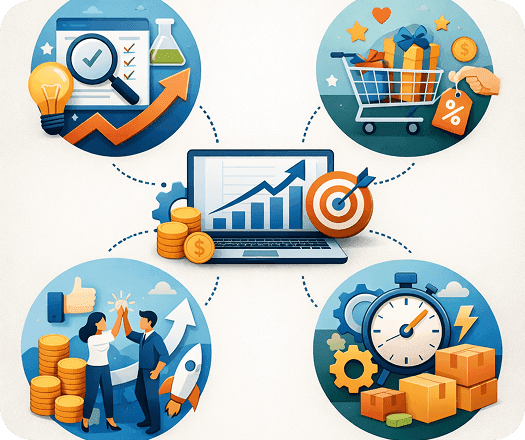
Headless Shopify allows teams to optimize user experience without backend constraints. This flexibility supports:
- Custom checkout flows
- Faster experimentation and A/B testing
- Personalized user journeys
- UX optimization independent of commerce logic
Conversion improvements are the result of continuous experimentation enabled by architectural freedom.
Common Performance & SEO Mistakes to Avoid
Some frequent mistakes teams make:
- Overloading the frontend with heavy JavaScript bundles
- Poor caching and data-fetching strategies
- Excessive third-party scripts impacting speed
- Ignoring mobile-first performance considerations
Headless Shopify amplifies both good and bad decisions—discipline is essential.

When Performance Gains Justify Headless Shopify
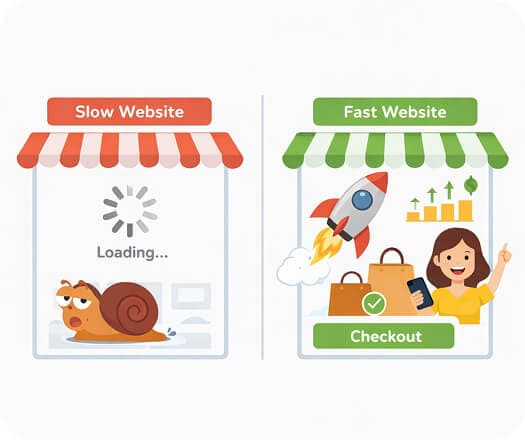
Headless Shopify delivers the greatest value when performance, SEO visibility, or conversion ratesdirectly impact business growth. For brands operating at scale or in competitive environments, even incremental improvements can produce meaningful ROI.
For smaller or simpler stores, these gains may not justify the added complexity.
How Performance Fits into the Bigger Strategy
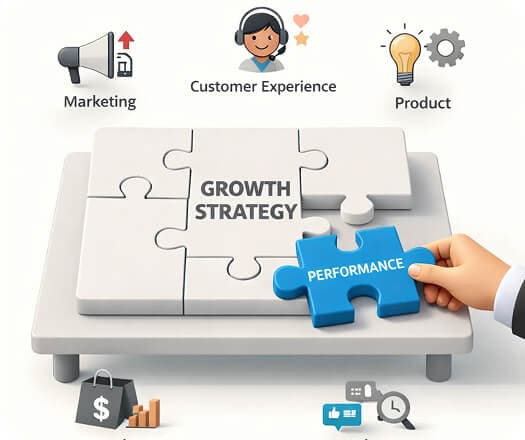
Performance optimization is only one part of a successful headless Shopify implementation. Architecture design, SEO planning, migration strategy, and long-term scalability must align.
This page focuses on performance outcomes. A broader strategic perspective is covered in our complete Headless Shopify authority guide.
Performance improvements alone may not justify going headless. Our When to Go Headless with Shopify Guide explains when the transition makes sense.
Explore the Complete Headless Shopify Strategy Guide
See how architecture, performance, SEO, migration, and scalability align in real-world headless Shopify implementations.
Return to the Authority Guide