

How Headless CMS Improves Performance, SEO & Content Velocity
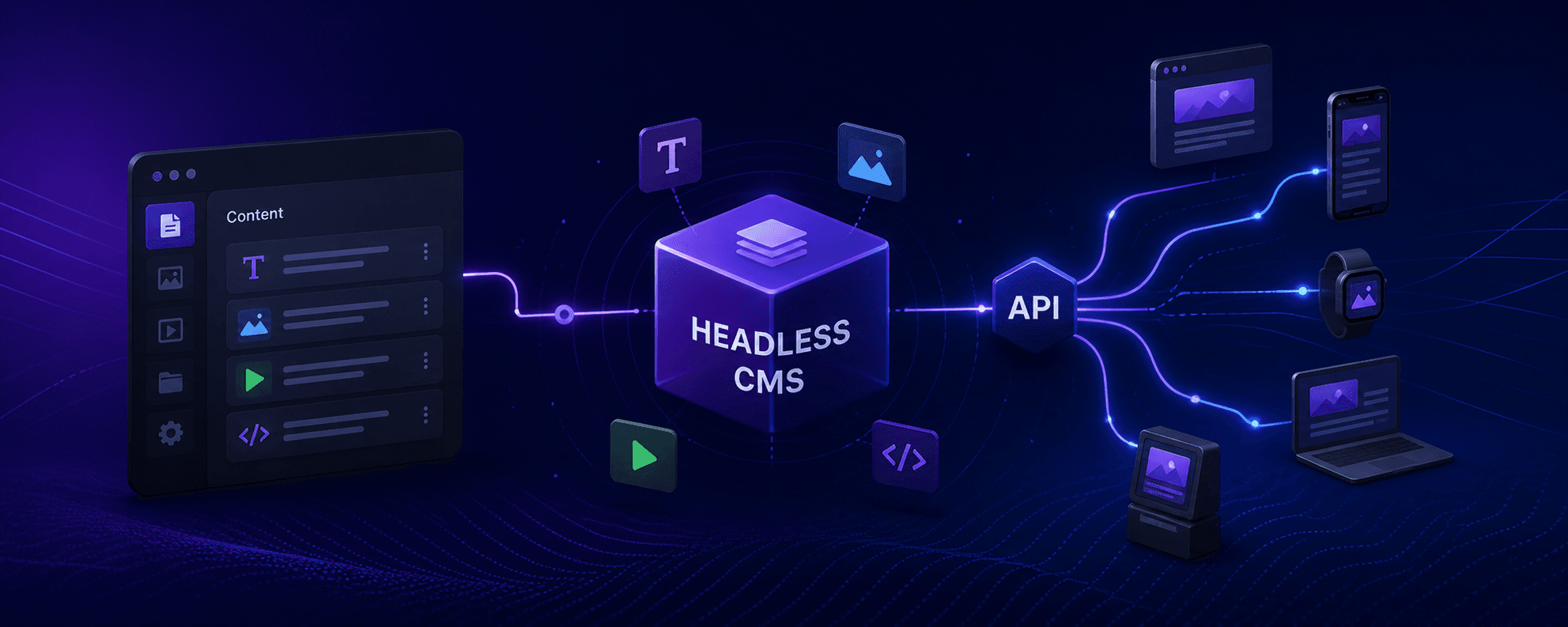
Performance, SEO, and content velocity are often addressed as separate optimization efforts. In modern digital platforms, they are deeply interconnected outcomes of architectural decisions. Headless CMS changes how content is structured, delivered, and rendered—directly influencing all three. This page explains how headless CMS impacts performance, search visibility, and publishing speed at a structural level, and why these gains depend on implementation discipline rather than tooling alone. Headless CMS architecture is not about replacing one content management system with another—it is about rethinking how content is structured, delivered, and scaled across modern digital platforms. As organizations move toward multi-channel and API-driven experiences, architectural decisions around content become critical. /n This page explains how headless CMS architecture works at a practical level, the role of APIs and content models, and the best practices teams should follow when designing a scalable, future-ready content system.
Why Performance Is a Content Architecture Outcome
Many teams assume that performance improvements come solely from frontend optimization. In reality, content architecture plays a critical role in how efficiently data is delivered and rendered.
Headless CMS improves performance by enabling:
- Decoupled content delivery
- Optimized data fetching via APIs
- Better caching and rendering strategies
- Reduced backend bottlenecks
When content systems are architected correctly, performance becomes predictable and scalable.


Performance Benefits of Headless CMS
Well-implemented headless CMS setups enable:
- Faster page load times
- Improved Core Web Vitals
- Reduced server-side processing overhead
- Better performance under high traffic
These gains are especially valuable for content-heavy and high-traffic platforms.
Validate Your Headless CMS Performance Strategy
Use our optimization checklist to evaluate Core Web Vitals readiness, content delivery patterns, caching strategy, rendering models, and SEO indexing health in a headless CMS architecture.
SEO Advantages of Headless CMS
Headless CMS gives teams greater control over how content is rendered and optimized for search engines. By separating content from presentation, teams can implement SEO best practices without CMS template constraints.
Key SEO advantages include:
- Cleaner URL and metadata control
- Faster crawlability and indexing
- Advanced schema and structured data support
- Improved technical SEO flexibility
SEO benefits depend on disciplined rendering and deployment strategies.

Improving Content Velocity & Publishing Workflows
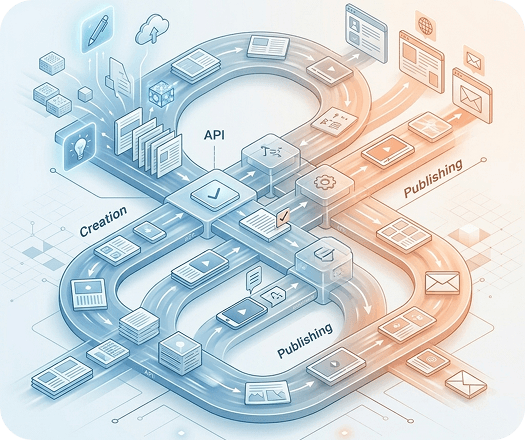
Content velocity refers to how quickly teams can create, update, and distribute content. Headless CMS improves velocity by decoupling content workflows from frontend releases.
This enables:
- Faster publishing cycles
- Independent content and development teams
- Easier content reuse across channels
- Reduced deployment dependencies
As a result, organizations respond faster to market and user needs.
Common Performance & SEO Pitfalls to Avoid
Some frequent mistakes teams make:
- Delivering excessive data via APIs
- Poor caching and invalidation strategies
- Overcomplicating content models
- Ignoring mobile-first performance
- Treating SEO as an afterthought
Headless CMS amplifies both strong and weak architectural decisions.


When Performance & SEO Gains Justify Headless CMS
Headless CMS delivers the most value when performance, SEO visibility, or publishing speed directly impacts business growth. For content-driven platforms and multi-channel experiences, these gains often justify the architectural shift.
For simpler websites with low update frequency, the benefits may be less pronounced.
How Performance & SEO Fit Into the Bigger Strategy
Performance, SEO, and content velocity must align with broader architecture decisions, composable design, and long-term scalability planning.
This page focuses on performance and growth outcomes. A broader strategic view is covered in our complete Headless CMS authority guide.

Check Your CMS Performance & SEO Readiness
Use our performance-focused checklist to evaluate rendering, indexing, caching, and workflow scalability.