
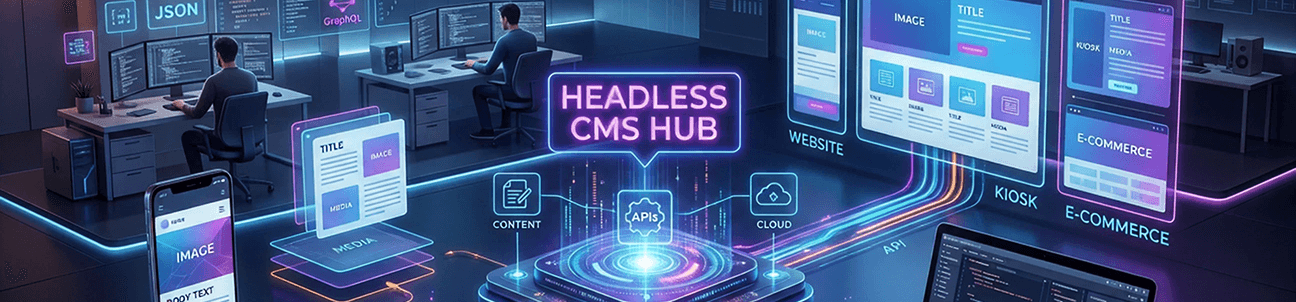
The Ultimate Guide to Headless CMS Development
Create dynamic, high-performance websites and applications with modern Headless CMS architecture. Deliver content effortlessly across web, mobile, and multiple digital touchpoints. Empower your business with speed, scalability, and complete control over your content.
Headless CMS Development: Building Flexible, Scalable Content Systems for the Modern Web
A strategic, architecture-focused guide for businesses and technology leaders evaluating headless CMS for performance, omnichannel delivery, and long-term scalability. Authority Framing Paragraph
Traditional content management systems were built for a single channel, a single frontend, and predictable user journeys. Today’s digital platforms demand far more—speed, flexibility, integration depth, and the ability to deliver content consistently across web, mobile, apps, and emerging touchpoints.
Headless CMS development enables this shift—but only when approached as an architectural decision rather than a tooling upgrade.
This guide explains what headless CMS development really involves, when it makes sense, and how organizations should approach it strategically.
Why Traditional CMS Architectures Fall Short
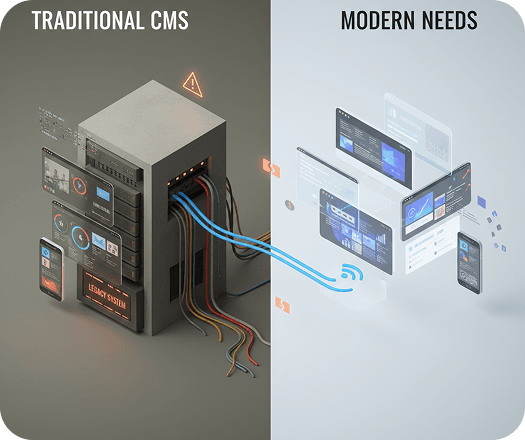
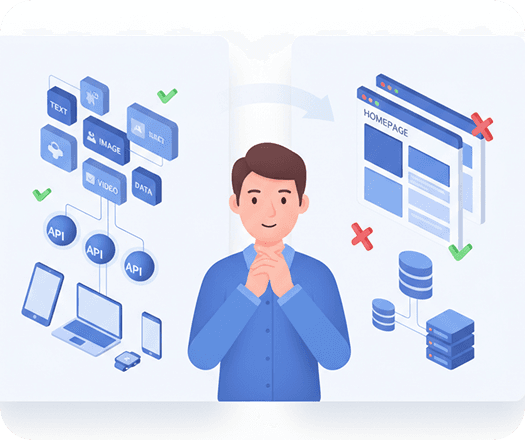
Traditional CMS platforms tightly couple content management with presentation. While this works for simple websites, it becomes restrictive as digital ecosystems grow more complex.
Common limitations include:
- Frontend constraints tied to templates
- Difficulty scaling across channels
- Performance bottlenecks
- Complex integrations with modern tools
As digital experiences evolve, these constraints slow teams down rather than supporting growth.
What Is Headless Shopify—Really?
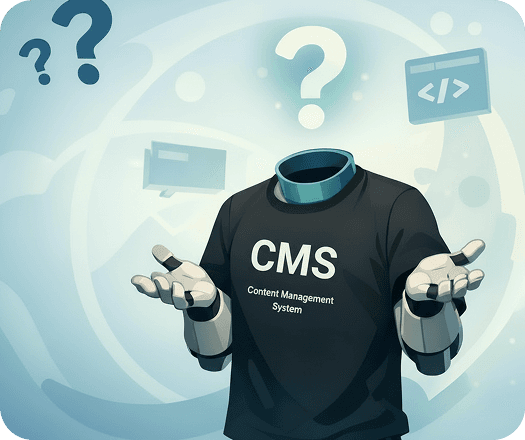
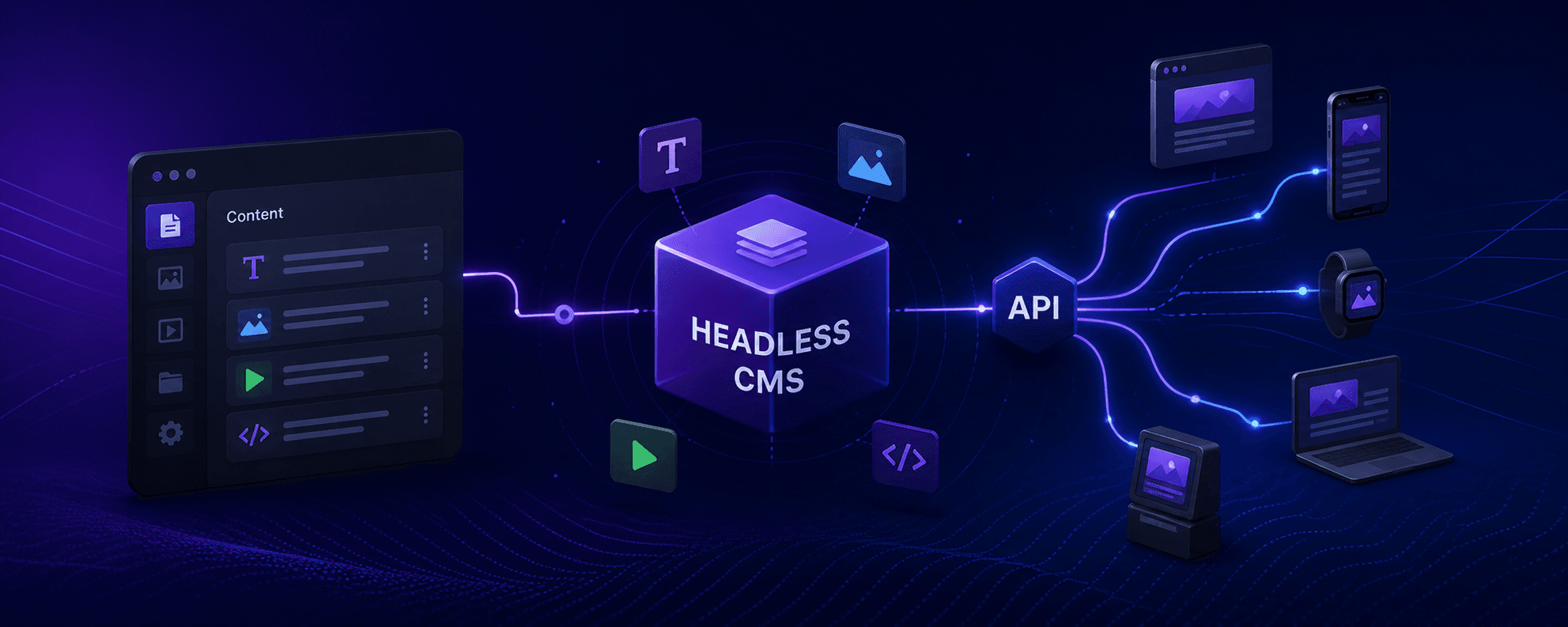
A headless CMS separates content management from content presentation. Instead of controlling how content is displayed, it focuses solely on storing, managing, and delivering content through APIs.
This decoupling allows teams to:
- Build custom frontends
- Deliver content to multiple platforms
- Scale independently across systems
- Maintain long-term architectural flexibility
At its core, headless CMS development is about control and adaptability, not just modern tooling.
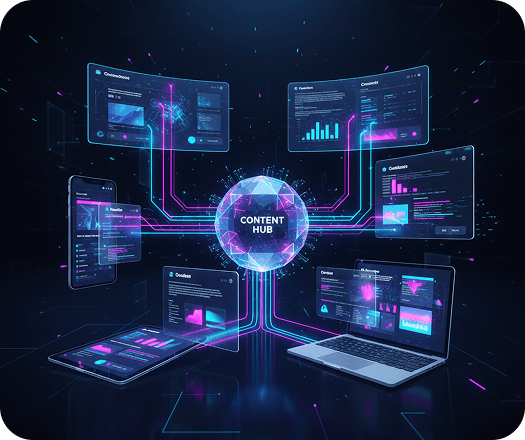
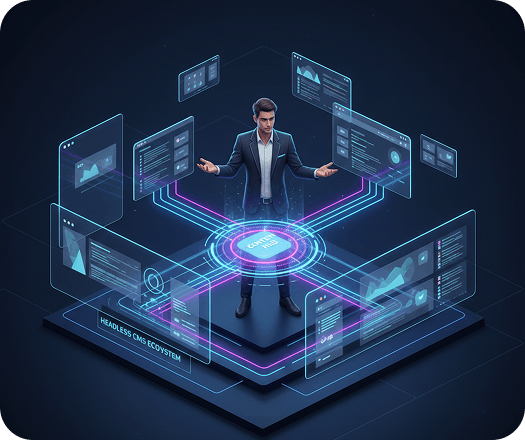
Headless CMS Architecture at a High Level
A modern headless CMS architecture typically includes:
- Content Layer A CMS responsible only for content creation, modeling, and governance.
- API Integration Layer APIs that deliver structured content to any frontend or application.
- Frontend Layer Custom websites, apps, or platforms consuming content independently.
- Integration Layer Marketing tools, analytics, commerce systems, and automation platforms.
Each layer operates independently while remaining connected through well-defined interfaces.
Check Your Headless CMS Readiness
Use our readiness checklist to determine if your content, architecture, workflows, and team processes are prepared for headless CMS adoption.
Why Headless CMS Enables Omnichannel Experiences
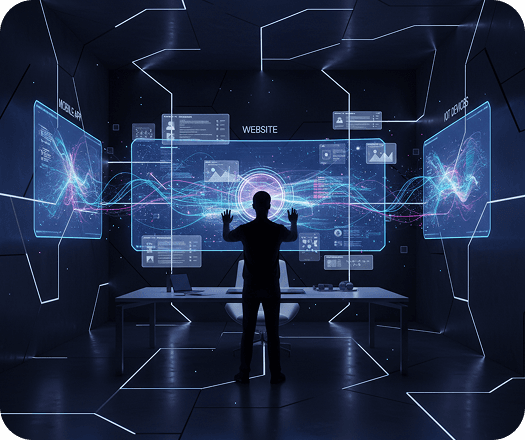
Headless CMS platforms are designed for multi-channel delivery. The same content can be reused across:
- Websites
- Mobile applications
- eCommerce storefronts
- IoT devices and kiosks
- Internal tools and dashboards
This approach reduces duplication, improves consistency, and accelerates content delivery across teams.

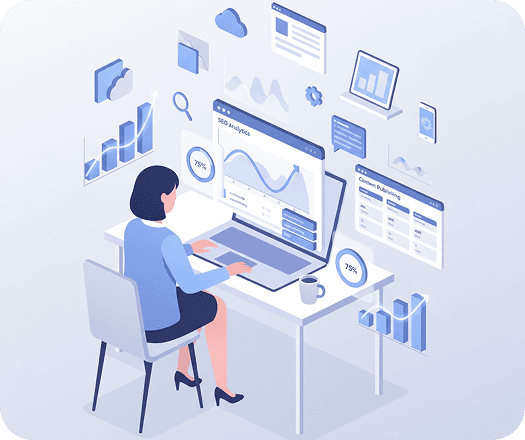
Performance, SEO & Content Velocity Impact
Headless CMS development impacts performance and SEO indirectly but significantly. By decoupling content from presentation , teams gain more control over rendering, caching, and delivery strategies.
Well-implemented headless CMS setups enable:
- Faster page loads
- Better Core Web Vitals
- Improved SEO flexibility
- Faster content publishing cycles
These benefits depend on architectural execution, not default configurations.
When Headless CMS Makes Sense (And When It Doesn’t)
Headless CMS is typically a strong fit when:
- Content must be delivered across multiple channels
- Frontend flexibility is critical
- Performance and scalability matter
- Integrations with other systems are complex
However, simpler websites or early-stage projects may not need this level of flexibility. In such cases, traditional CMS solutions can still be effective.
Choosing headless should be driven by business readiness , not trends.
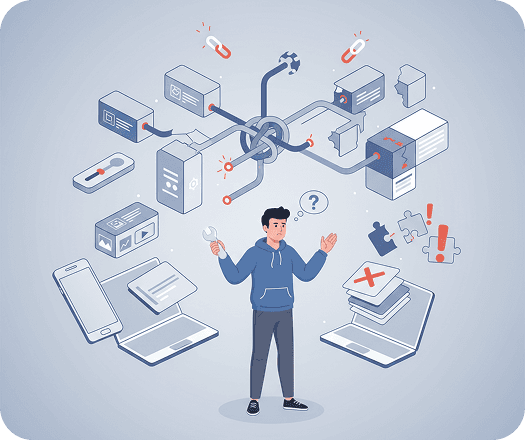
Common Mistakes in Headless CMS Development
Some of the most common mistakes teams make include:
- Treating headless CMS as a frontend project only
- Ignoring content modeling and governance
- Choosing tools before defining architecture
- Underestimating long-term maintenance
- Poor API documentation and workflows
Avoiding these mistakes is often more important than choosing the “best” CMS.
How CloudActive Labs Approaches Headless CMS Development
At CloudActive Labs, we approach headless CMS development as a content architecture decision, not a CMS installation task.
Our focus is on:
- Scalable content models
- API-first architecture
- Frontend flexibility
- Long-term maintainability
- Alignment between content, design, and engineering teams
This approach ensures that headless CMS implementations support real business goals—not just technical modernization.
Explore Headless CMS Topics in Detail
This guide provides a high-level strategic overview. Each aspect of headless CMS development can be explored in more depth through focused topic pages covering architecture, performance, decision-making, and migration planning.
Users can dive deeper based on their specific needs while returning here as the central reference point.
Get the Complete Headless CMS Strategy Blueprint
A decision-ready PDF covering content architecture, readiness evaluation, performance considerations, governance strategy, API planning, and implementation pathways.