

Composable Architecture with Headless CMS
Composable architecture represents a shift away from monolithic systems toward flexible, modular digital platforms. In this model, a headless CMS acts as a core content layer that integrates seamlessly with other best-of-breed tools across the digital stack. This page explains how composable architecture works with headless CMS, why it enables long-term agility, and how organizations should think about modular system design when building modern digital platforms.
What Composable Architecture Really Means
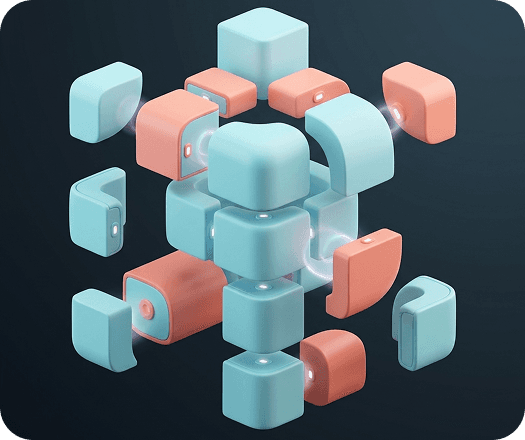
Composable architecture is often misunderstood as simply using multiple tools together. In reality, it is an architectural philosophy that emphasizes modularity, independence, and replaceability of systems.
Composable architecture introduces:
- Independently deployable components
- API-driven communication between systems
- Freedom to swap or upgrade tools over time
- Reduced dependency on single vendors
Headless CMS fits naturally into this model by focusing purely on content, not presentation.

Role of Headless CMS in a Composable Stack
In a composable architecture, the headless CMS typically serves as:
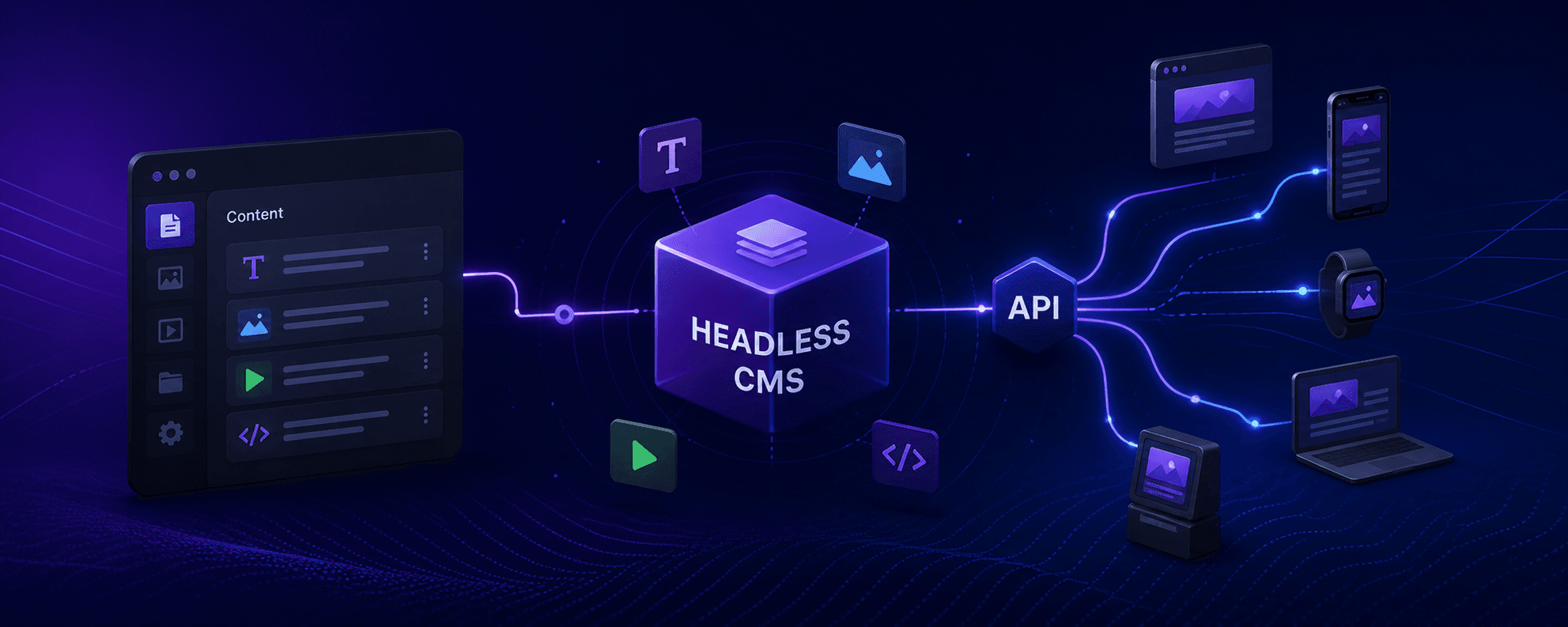
- Central Content Hub - Manages structured content independent of how or where it is displayed.
- API Content Provider - Delivers content to websites, apps, commerce platforms, and internal tools.
- Workflow & Governance Layer - Supports editorial workflows), approvals, and content governance.
- Integration-Friendly Component - Connects cleanly with analytics, personalization, and marketing systems.
This modular role allows content systems to evolve without disrupting the rest of the platform.
Validate Your Composable Architecture Readiness
Use our checklist to ensure your CMS, integrations, APIs, and workflows can support a truly composable platform.
Benefits of Composable Architecture with Headless CMS
Composable architecture provides flexibility that monolithic systems cannot. When paired with a headless CMS, organizations gain the ability to adapt quickly to changing business and technology needs.
Key advantages include:
- Faster innovation cycles
- Reduced vendor lock-in
- Easier system upgrades
- Better scalability across teams and platforms
These benefits compound over time as digital ecosystems grow.


Impact on Team Collaboration & Velocity
Composable architecture changes how teams work together. With a headless CMS at the center:
- Content teams work independently of frontend releases
- Developers iterate without disrupting editorial workflows
- Product teams experiment without full platform rewrites
- Scaling does not require system replacement
This separation improves velocity while maintaining system stability.
Common Mistakes in Composable CMS Architectures
Some frequent mistakes teams make:
- Composing systems without an architectural blueprint
- Treating composability as a tooling trend
- Poor API contracts between components
- Ignoring governance and ownership
- Over-fragmenting systems without clear responsibility
Composable architecture requires discipline, not just modularity.


When Composable Architecture Makes Sense
Composable architecture with headless CMS is most effective for organizations operating long-term scalability
For smaller or simpler platforms, composability may add unnecessary complexity.
How Composable Architecture Fits Into the Bigger Picture
Composable architecture is one pillar of modern digital strategy. It must align with performance goals, SEO planning, content workflows, and long-term scalability.
This page focuses on composable design principles. A broader strategic view is covered in our complete Headless CMS authority guide.
Plan Your Composable CMS Architecture with Confidence
Download the planning checklist used by digital teams to validate modular architecture, CMS integration strategy, API dependencies, and long-term platform scalability.