
Loading

Loading
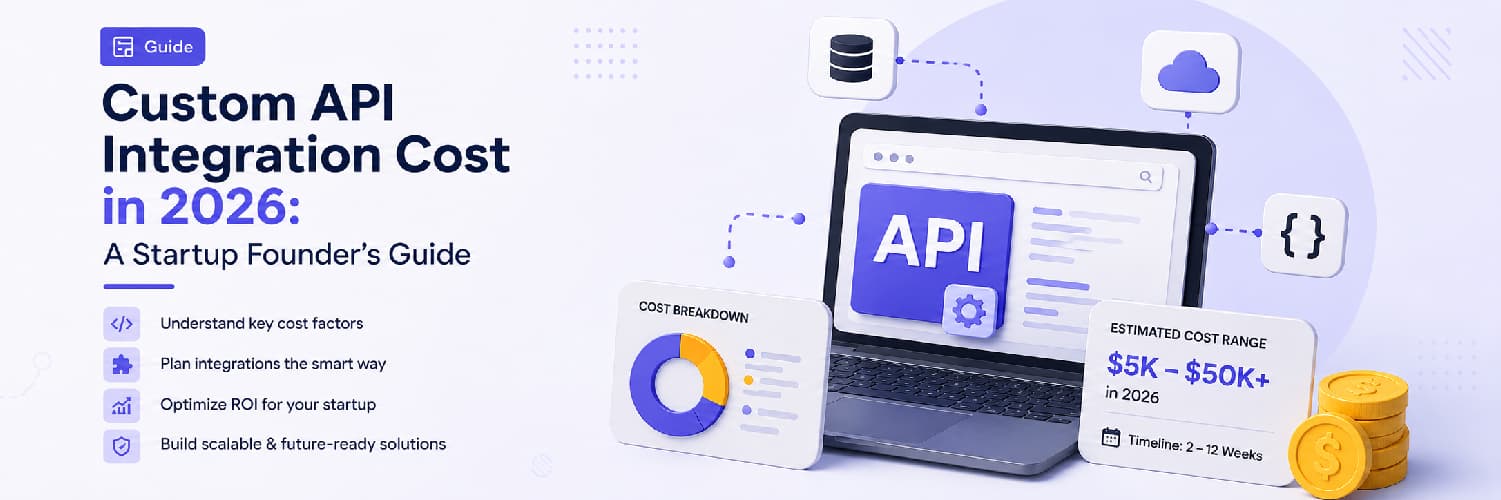
Custom API Integration Cost in 2026: A Startup Founder’s Guide
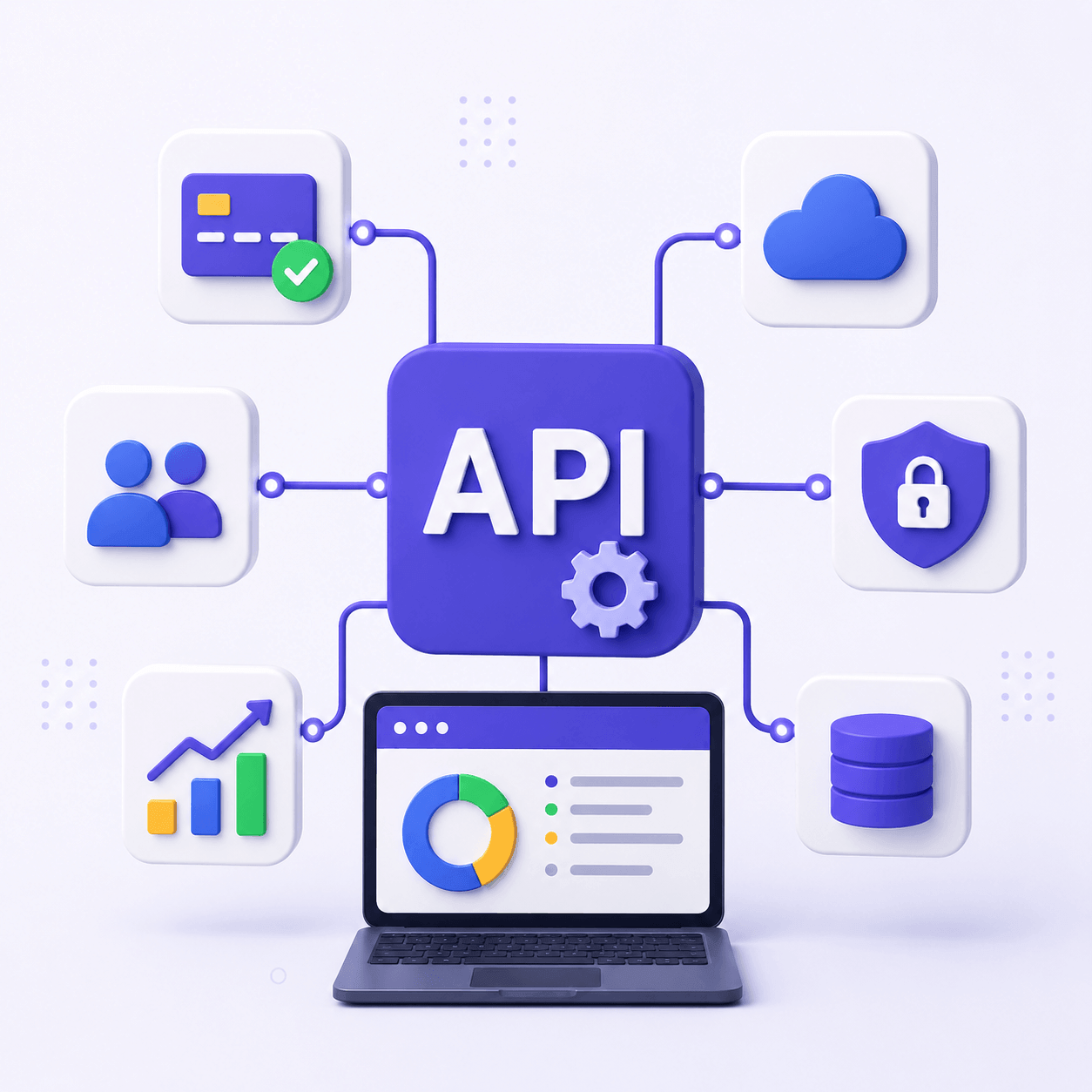
APIs have become the backbone of modern startups. Whether it’s payment processing, CRM synchronization, ecommerce automation, or AI-powered workflows, businesses today depend on multiple systems working together seamlessly.
But one of the most common questions founders ask before starting development is:
“How much does custom API integration actually cost?”
The answer depends on much more than simply connecting two platforms. In 2026, API integration costs are influenced by scalability requirements, security standards, real-time data handling, frontend complexity, and long-term maintenance planning.
For startups building scalable products, API architecture is no longer just a backend task. It directly affects platform performance, user experience, and future product growth.
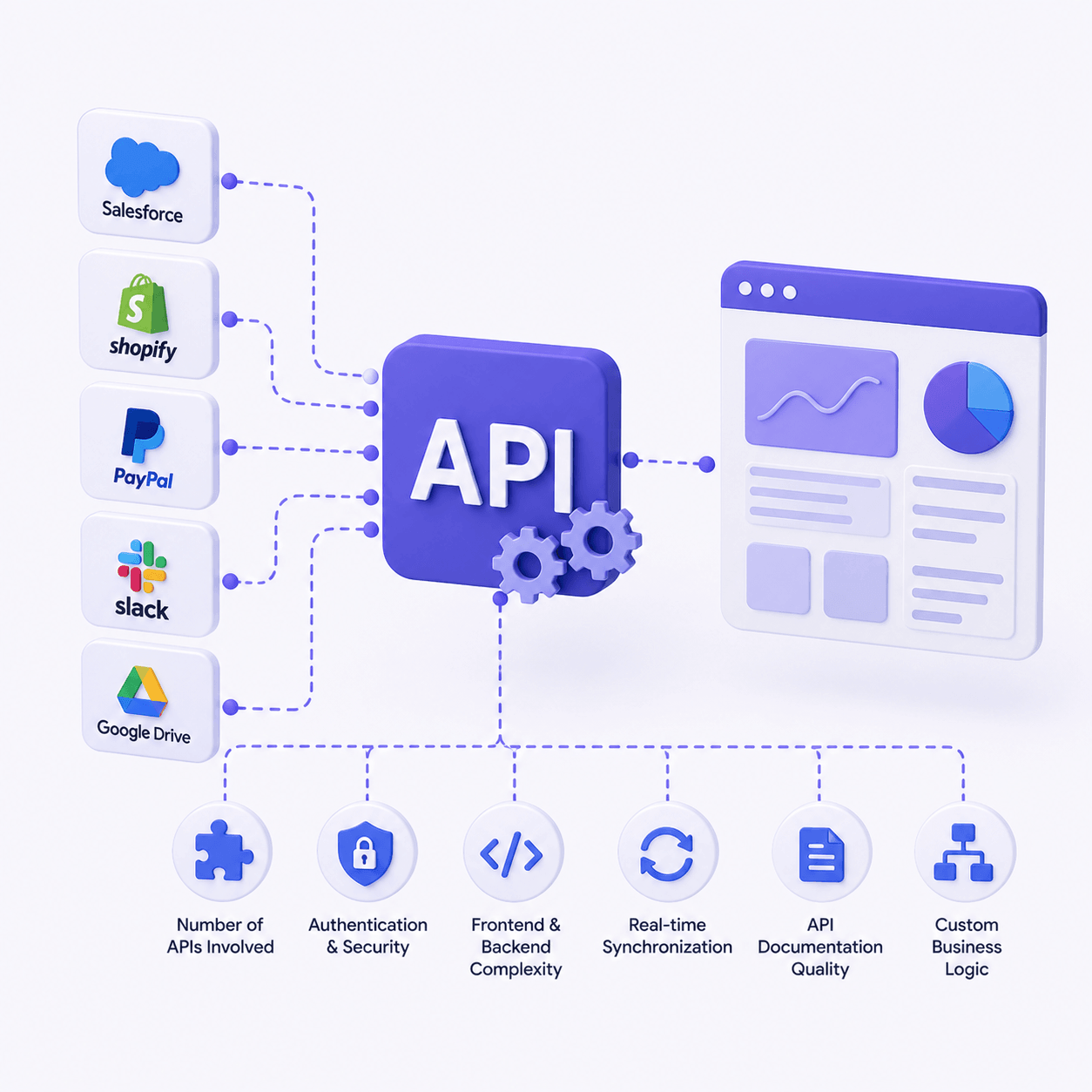
The cost of API integration varies because every business uses different systems and workflows.
A simple payment gateway integration is far less complex than connecting multiple SaaS platforms, syncing large volumes of real-time data, or building custom dashboards powered by third-party APIs.
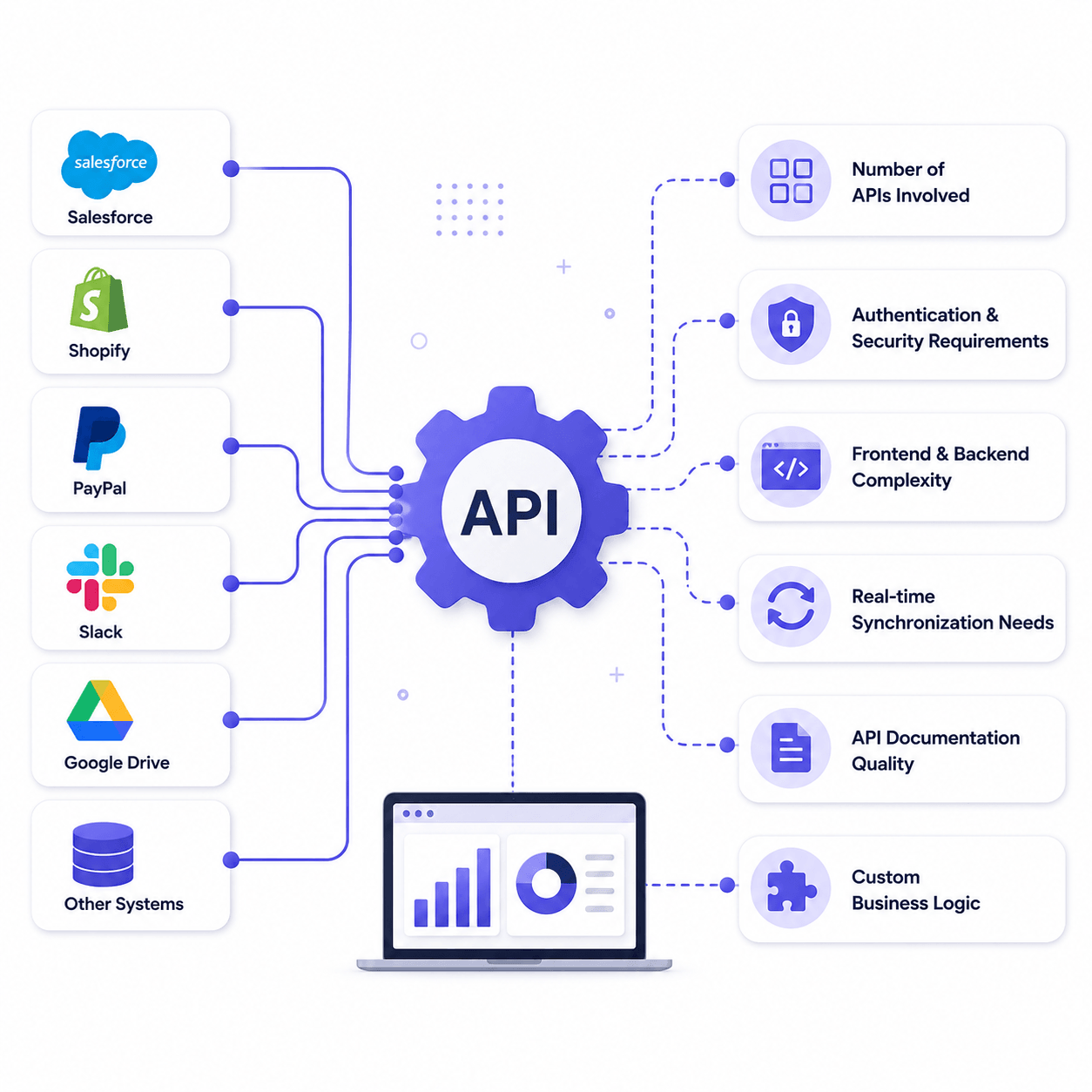
Several technical factors usually affect pricing:
Startups often underestimate how much backend structure and testing are required to make integrations stable and scalable.
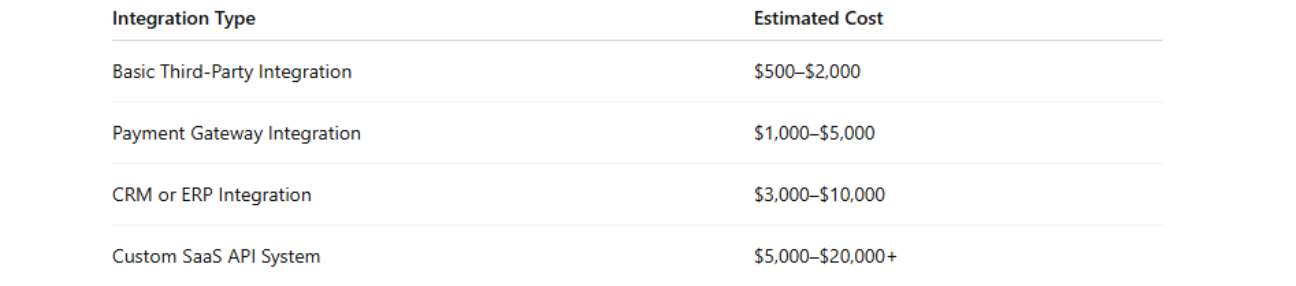
Average API Integration Cost in 2026
For startups and SaaS businesses, API integration costs generally fall into different ranges depending on project complexity.
The final cost usually depends on development time, testing requirements, and scalability planning.While lower-cost integrations may work initially, many startups later face issues with performance, data handling, or system reliability when their platform starts scaling.
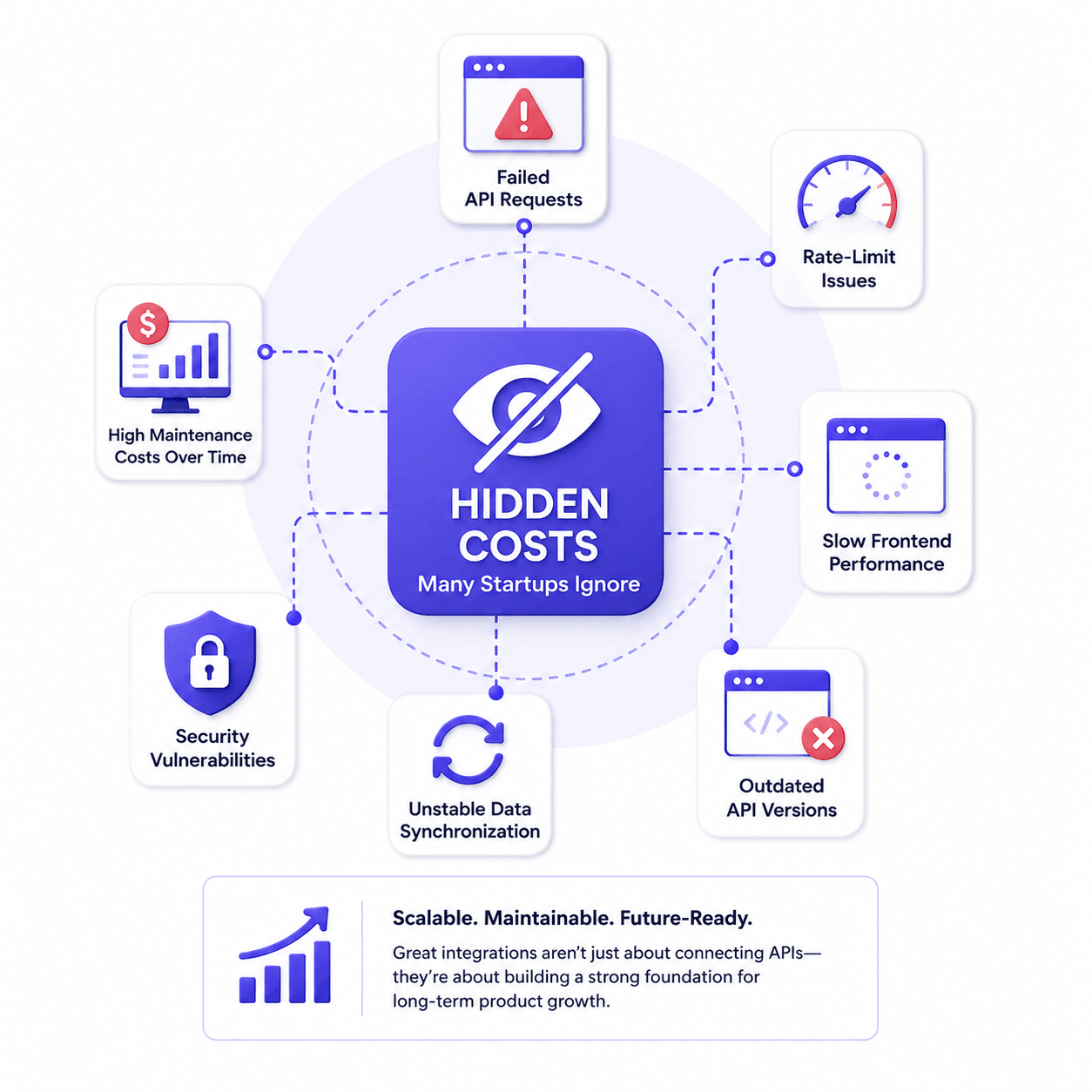
One of the biggest mistakes founders make is focusing only on the initial development quote.
The real challenges often appear later through:
As products grow, poorly structured integrations can become expensive to maintain.
This is why experienced development teams focus not only on making APIs work, but on making them scalable and maintainable over the long term.
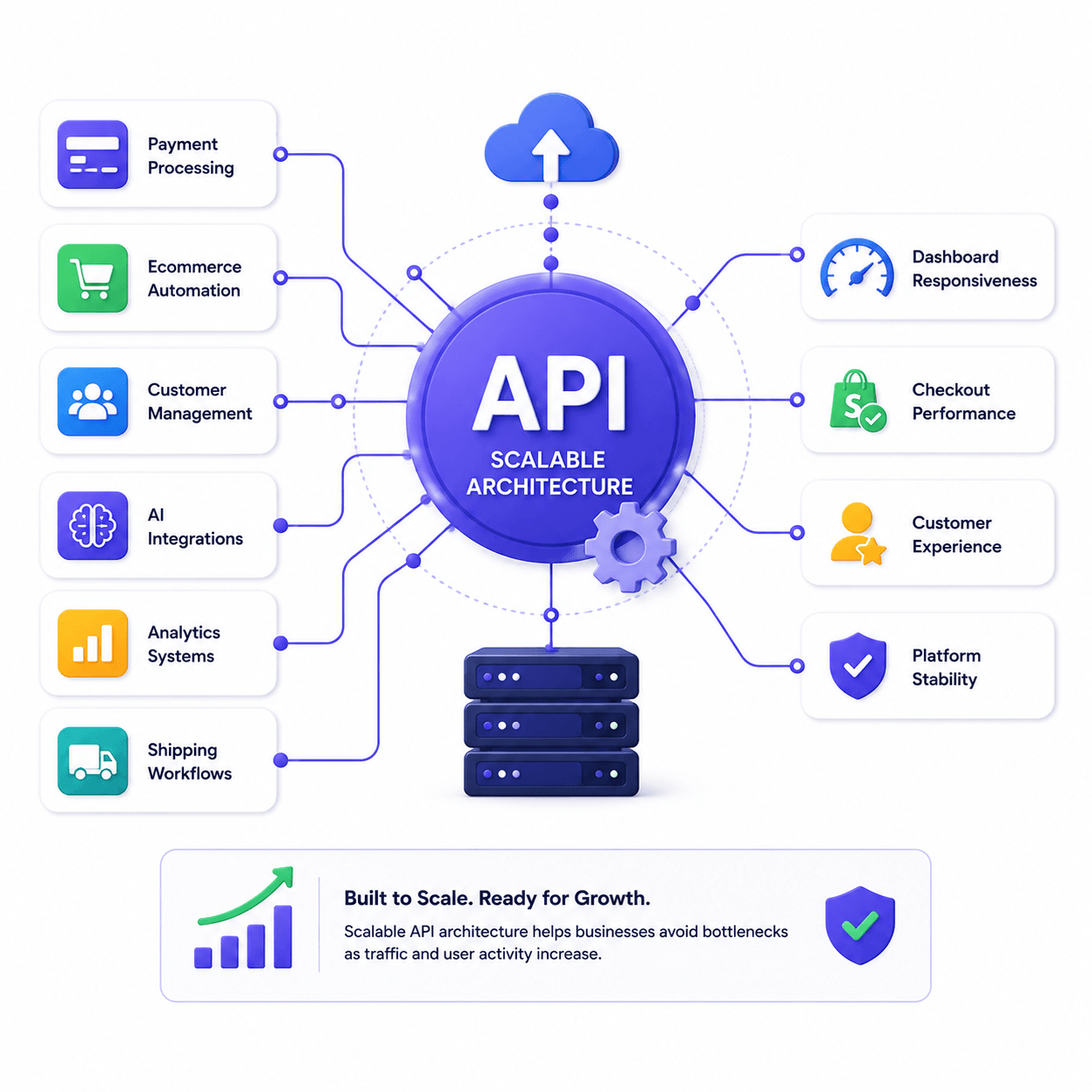
Modern startups rely on APIs for nearly every core operation, including:
When integrations are poorly optimized, even small API delays can affect:
Scalable API architecture helps businesses avoid bottlenecks as traffic and user activity increase.
A growing business approached CloudActive Labs with a platform experiencing performance issues caused by multiple third-party integrations.
The system had inconsistent API responses, delayed data updates, and frontend slowdowns affecting overall usability.
After reviewing the architecture, the development team optimized API request handling, improved data synchronization workflows, and reduced unnecessary frontend processing.
The result was a faster, more stable platform with improved scalability and smoother user experience.
For startups, API performance directly impacts product reliability and long-term growth.
Final Thoughts
Custom API integration costs in 2026 depend heavily on platform complexity, scalability goals, and long-term maintenance planning. While simple integrations may be affordable initially, growing startups need API systems that can support future expansion without creating performance or reliability issues.
For founders, the goal should not only be connecting services but building a stable technical foundation that supports business growth, better user experience, and long-term scalability.
If your platform is already facing API performance or integration challenges, an API architecture audit can help identify bottlenecks before they become expensive technical problems.
Have questions or need assistance? We're here to help! Reach out to us today, and our team will get back to you as soon as possible.