
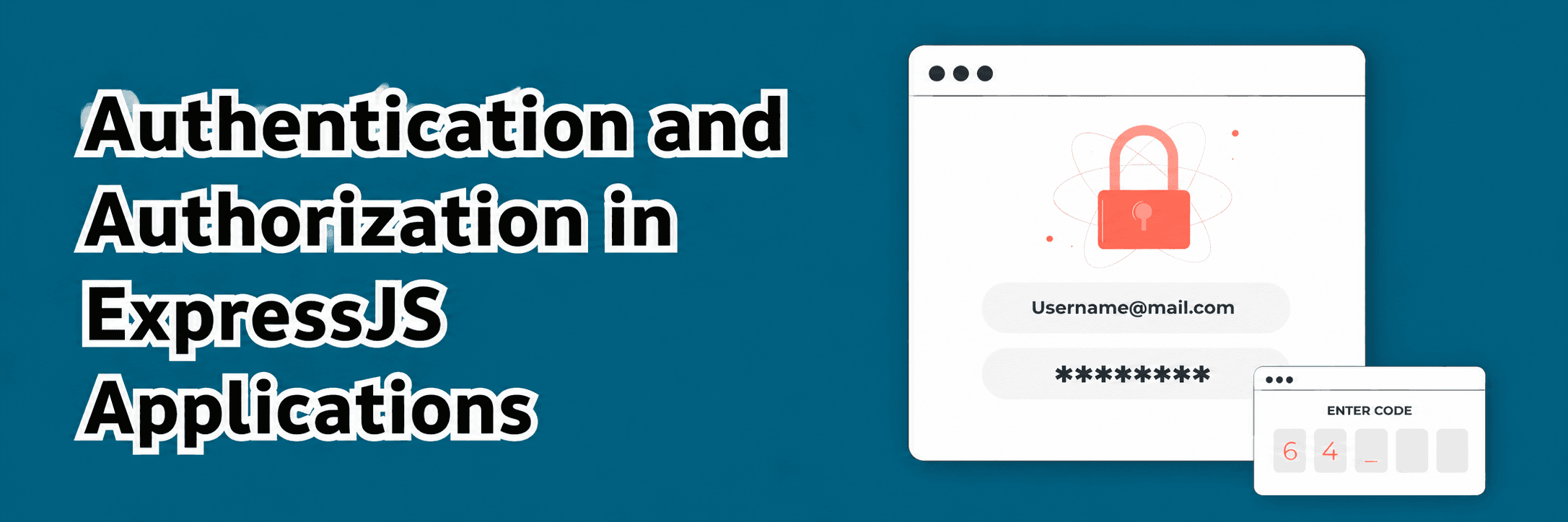
Authentication and Authorization in ExpressJS Applications
In the digital age, safeguarding
user data and controlling access to resources are paramount concerns for web
developers. As you embark on the journey of building robust and secure web
applications, understanding the concepts of authentication and authorization is
crucial. In this blog, we will delve into the world of ExpressJS and explore
how to implement effective authentication and authorization mechanisms to
ensure the integrity and security of your applications. Additionally, we'll
introduce you to our Hire ExpressJS Developer Services, offering expert
assistance in enhancing the authentication and authorization layers of your
ExpressJS applications.
Authentication vs. Authorization:
Before we dive into the details, let's clarify the distinction between authentication and authorization:
- Authentication: This process
involves verifying the identity of a user, typically through a username and
password or other authentication methods like social logins or single sign-on
(SSO).
- Authorization: Once a
user's identity is established, authorization determines what actions and
resources they are allowed to access based on their role, permissions, and
privileges.
Implementing Authentication in ExpressJS:
- Middleware: Use
middleware to authenticate incoming requests. Popular middleware libraries like
Passport.js simplify authentication processes, supporting various strategies
such as local, OAuth, and JWT.
- Session
Management: Implement session-based authentication using libraries like
Express Session to manage user sessions and track authenticated users.
- JSON Web
Tokens (JWT): Leverage JWT for token-based authentication. Generate and verify
tokens to provide secure, stateless authentication across multiple requests.
Implementing Authorization in ExpressJS:
- Role-Based
Access Control (RBAC): Define roles and permissions for users. Implement middleware that
checks a user's role before granting access to certain routes or resources.
- Middleware
Chains: Use middleware to implement authorization checks at different
levels, ensuring that users have the appropriate permissions for specific
actions.
- Custom
Middleware: Create custom middleware to enforce specific authorization logic
based on business requirements. For example, verify ownership of a resource
before allowing certain actions.
Hire ExpressJS Developer Services:
While mastering authentication and
authorization in ExpressJS is essential, it can be a complex endeavor. Our Hire
ExpressJS Developer Services provide valuable expertise and support:
- Collaborate with skilled ExpressJS developers experienced in
crafting robust authentication and authorization systems.
- Enhance the security of your applications by implementing best
practices and industry standards.
- Expedite development with efficient and effective solutions
tailored to your project's requirements.
- Access ongoing support and maintenance to ensure your
authentication and authorization mechanisms remain up-to-date and secure.
Conclusion:
In the realm of web development,
protecting user data and managing access rights are foundational principles. By
mastering the concepts of authentication and authorization, you can create
secure and user-friendly ExpressJS applications that inspire trust and
confidence. As you embark on this journey, consider CloudActive Labs as your
partner. Our Hire ExpressJS Developer Services offer the expertise needed to
elevate your authentication and authorization strategies, ensuring your
applications provide a seamless and secure experience for users. Reach out to
CloudActive Labs today and fortify your ExpressJS applications with robust
authentication and authorization mechanisms.